Understanding Power Transformers and Current Transformers: A Comprehensive Guide
Transformers are the backbone of modern electrical systems, playing a critical role in transmitting and distributing electrical energy efficiently. For engineers, technicians, and energy enthusiasts, understanding power transformer and current transformers is essential for design, maintenance, and troubleshooting. In this guide, we’ll explore the key concepts, types, working principles, and best practices associated with these indispensable devices.
What is a Power Transformer?
A power transformer is an electrical device designed to transfer electrical energy between two or more circuits through electromagnetic induction. These transformers are typically used in high-voltage transmission networks, industrial plants, and power generation systems. Their primary function is to step up or step down voltage levels while maintaining efficiency and reliability.
Key Features of Power Transformers
High voltage handling capacity
Efficient energy transfer
Low maintenance requirements
Durable insulation and cooling systems
Power transformers are usually classified based on voltage level, construction type, and application, allowing engineers to select the right transformer for specific needs.
Types of Power Transformers
Step-Up Transformer: Increases voltage from a lower level to a higher level for transmission.
Step-Down Transformer: Reduces voltage to a safer, usable level for industrial or domestic use.
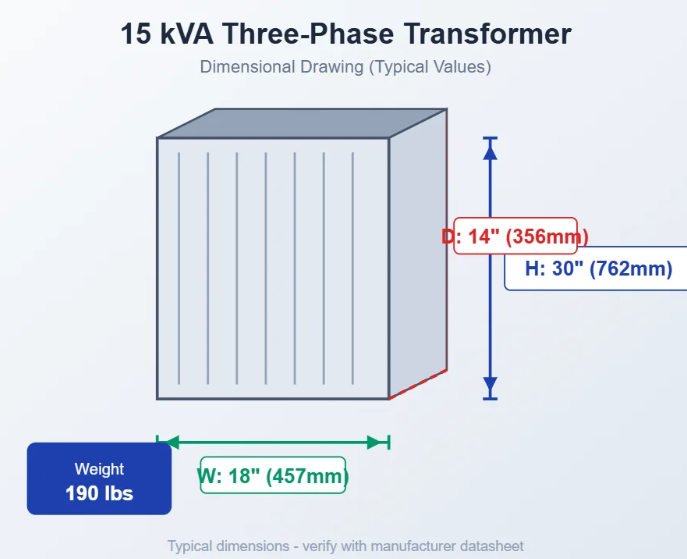
Three-Phase Transformer: Commonly used in industrial applications to handle large power loads.
Autotransformer: A single-winding transformer used for voltage regulation and energy efficiency.
Introduction to Current Transformers (CT)
A current transformer (CT) is a type of instrument transformer designed to measure high currents safely. By producing a reduced, proportional current in its secondary winding, CTs allow meters, relays, and protective devices to function without handling dangerous high currents directly.
Key Benefits of Current Transformers
Accurate current measurement
Protection of meters and instruments
Isolation of measuring devices from high voltages
Essential for system monitoring and fault detection
Current transformers are widely used in industrial substations, power distribution networks, and electrical panels to monitor and protect electrical circuits.
Best Practices for Transformer Maintenance
To ensure optimal performance and longevity of power transformers and current transformers, follow these best practices:
Regular Inspection: Check for oil leaks, insulation wear, and physical damage.
Cleaning: Keep transformer surfaces and cooling systems free from dust and debris.
Temperature Monitoring: Overheating can damage insulation and reduce lifespan.
Load Management: Avoid overloading to prevent efficiency loss and equipment failure.
Testing & Calibration: Conduct periodic electrical tests on insulation resistance and CT accuracy.
Conclusion
Both power transformers and current transformer are fundamental to modern electrical systems. While power transformers handle the heavy lifting of voltage conversion, current transformers provide precise measurement and protection for electrical circuits. By understanding their functions, types, and maintenance practices, engineers can enhance efficiency, safety, and reliability in their electrical projects.